Games, AR, and XR
Game Design
Two decades of building interactive and playable worlds, from the first metaverse experiments in Second Life to XR headset operating system design built for global enterprises.
As a game design agency, Dreamspace has been designing games since before "metaverse" was a marketing term. Early virtual-world builds for brands like MTV and Audi in Second Life grew into two decades of hands-on game design, brand systems, and launch strategy across console, mobile AR, and the earliest AR and VR headsets. Today that history runs through Niantic, the makers of Pokémon GO.
What we do
Two decades in the room where games get built
Our game design practice did not start with a pitch deck. It began in Second Life in the 2000s, when brands like MTV and Audi were among the first to test what a persistent virtual world could do. MTV's Cribs Digital Twin brought a television format into a 3D social space. We were designing for the first generation of HoloLens and for mobile-powered VR on Samsung headsets well before AR and VR development was standard agency practice.
That early XR fluency led to a long-term partnership with Niantic. We have supported Niantic across multiple live titles, including Pokémon GO and Ingress, and took the lead role in branding, UX/UI, and experiential design on two of its highest-profile launches: NBA All-World, built with the NBA, and Marvel World of Heroes, Niantic's first game built with Marvel. Most recently we contributed to Niantic's collaboration with Qualcomm on next-generation outdoor AR headset hardware.
What we build
From the core loop to the global launch
Game Mechanics & Systems Design
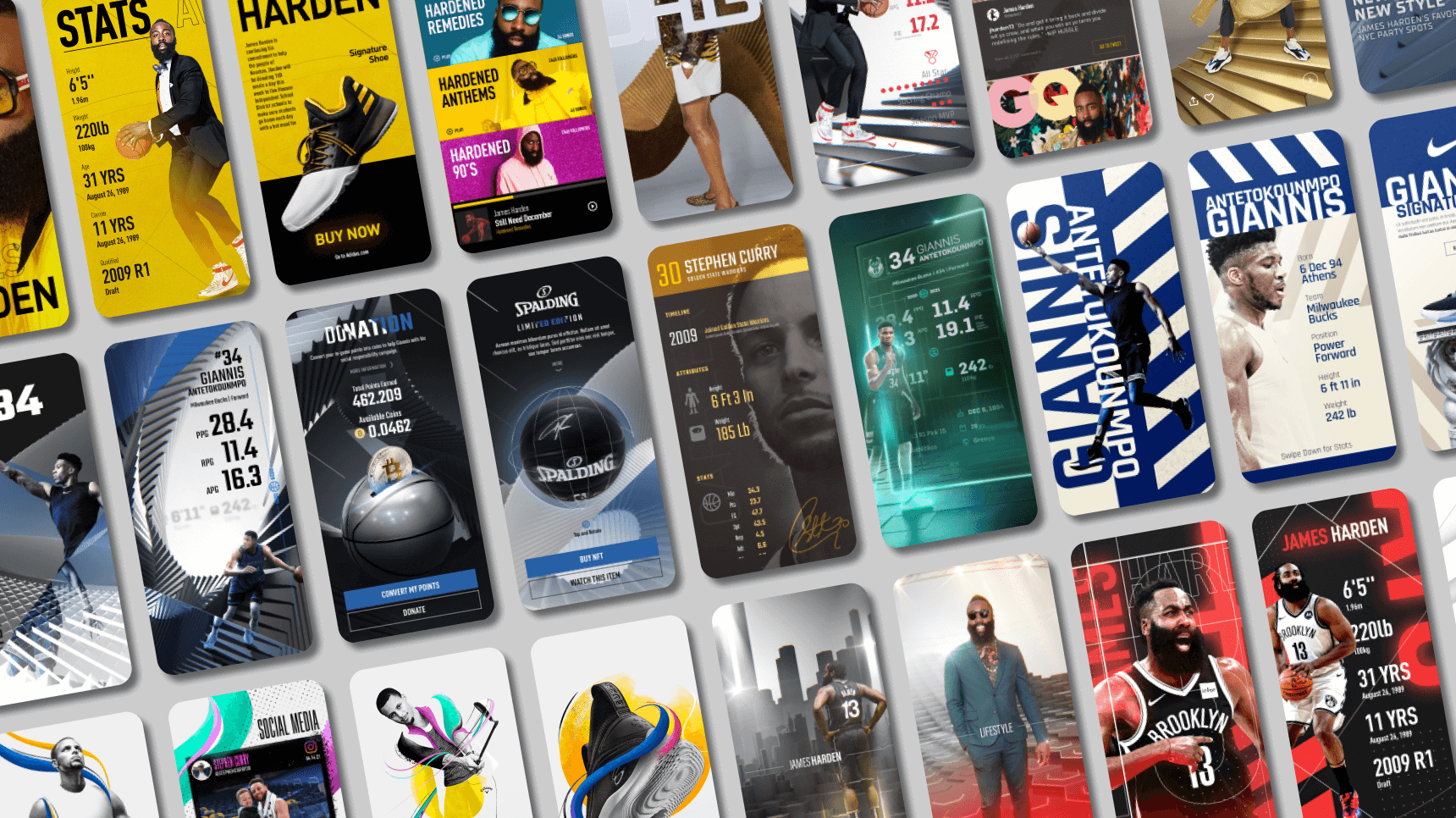
Games are systems before they are visuals. We define how players progress, compete, and return. On NBA All-World that meant a new player card system, a magazine-style format spanning stats, news, and lifestyle content.
UX/UI Design & Prototyping
The interfaces players actually touch: map systems, points of interest, HUDs, onboarding, and progression screens, prototyped and refined against real player behavior.
3D Development & XR Testing
From early HoloLens builds to mobile VR on Samsung hardware, years of prototyping inside XR constraints, carried into the Niantic and Qualcomm work on AR headsets.
Community & Global Launch Strategy
A five-phase content strategy carried NBA All-World from launch through a year of seasonal moments, with out-of-home activation in Paris, Barcelona, Boston, and San Francisco.
User Acquisition, Content & Media Buy
UA creative and content systems built to perform at scale, including a toolkit of ready-to-use creative assets and a social-first content strategy for every platform and format.
Branding for Game IP
Mechanics and brand working from the same brief, for IP as recognizable as the NBA and Marvel, so a game feels considered from the first tap to the thousandth session.
Console game work
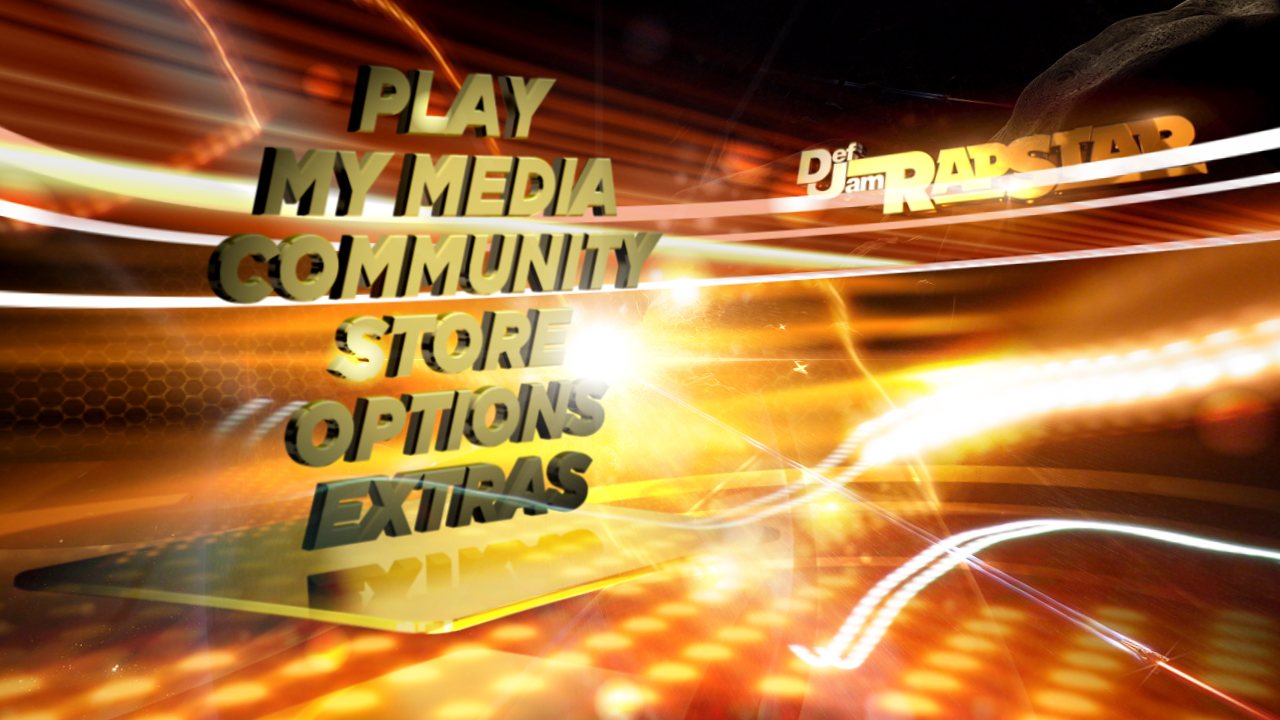
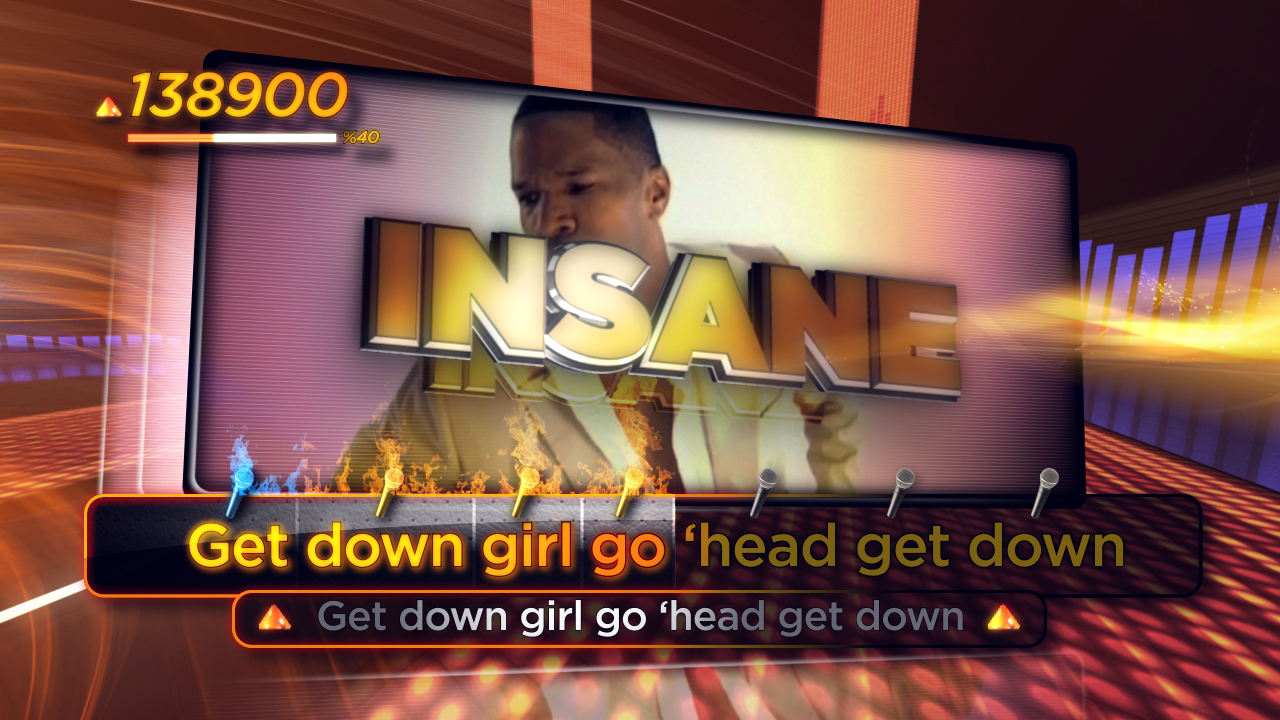
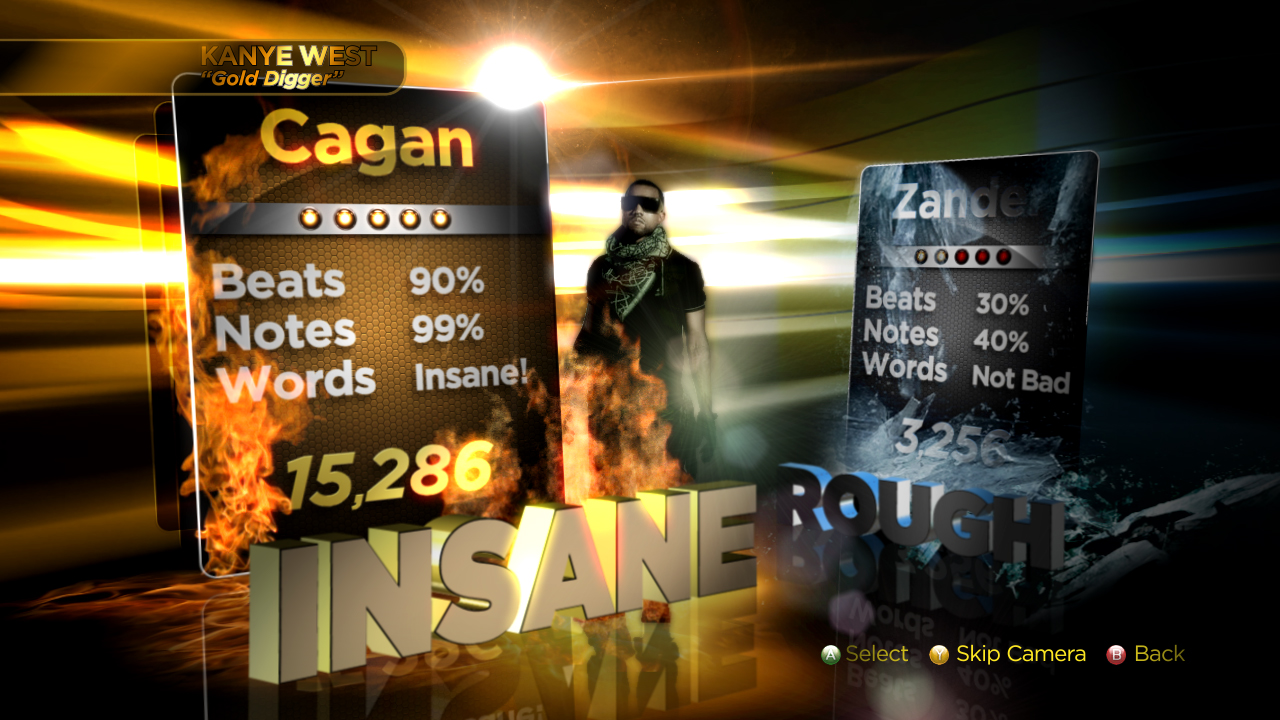
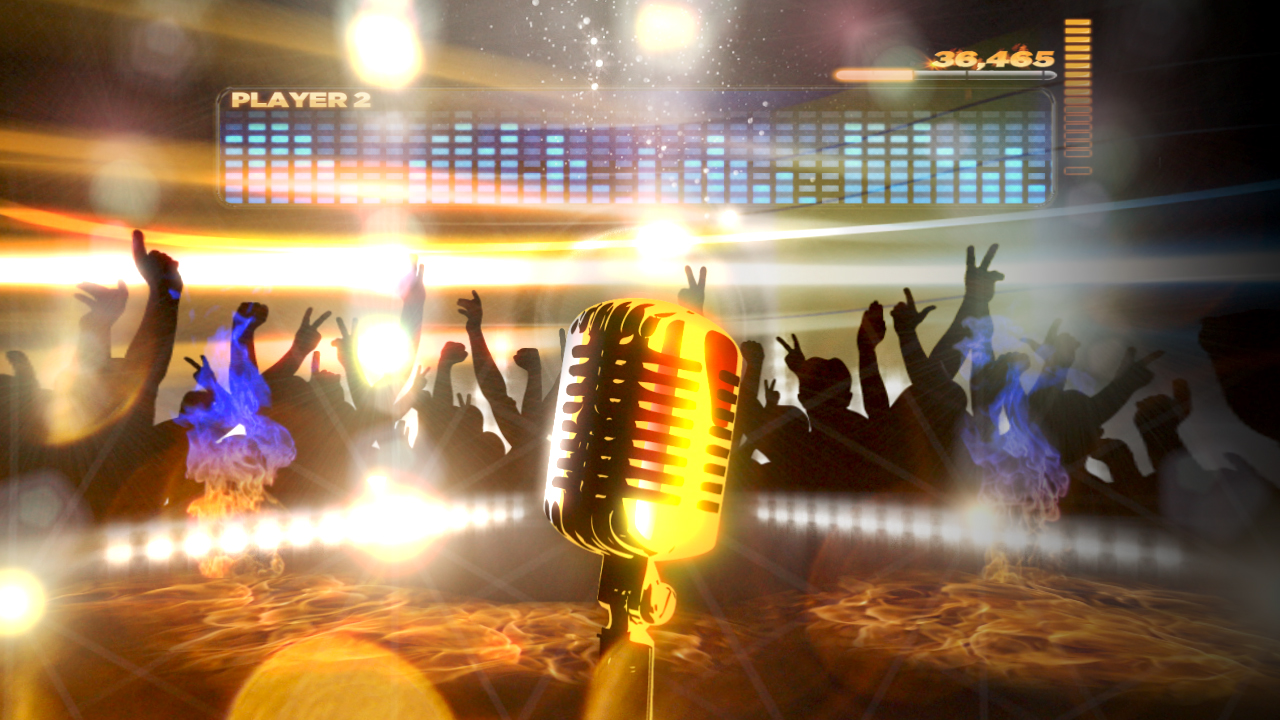
Def Jam Rapstar: From main menu to the final score
Launch and brand
Building the game brand and bringing it to players
Selected work
Games and launches we have shaped
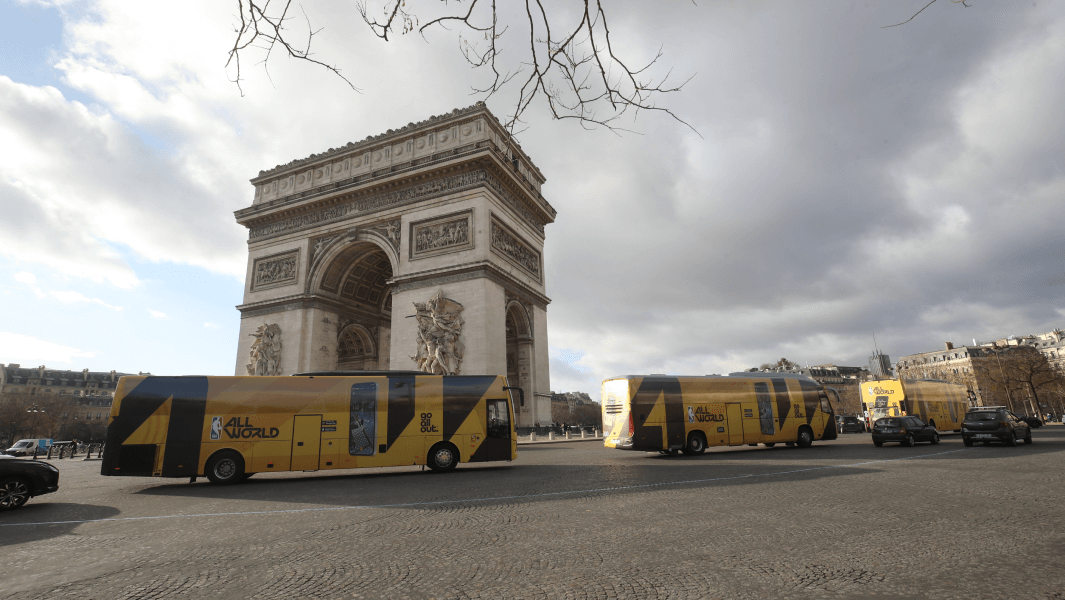
NBA All-World Global Launch
The five-phase launch campaign and global activation for Niantic’s basketball game.
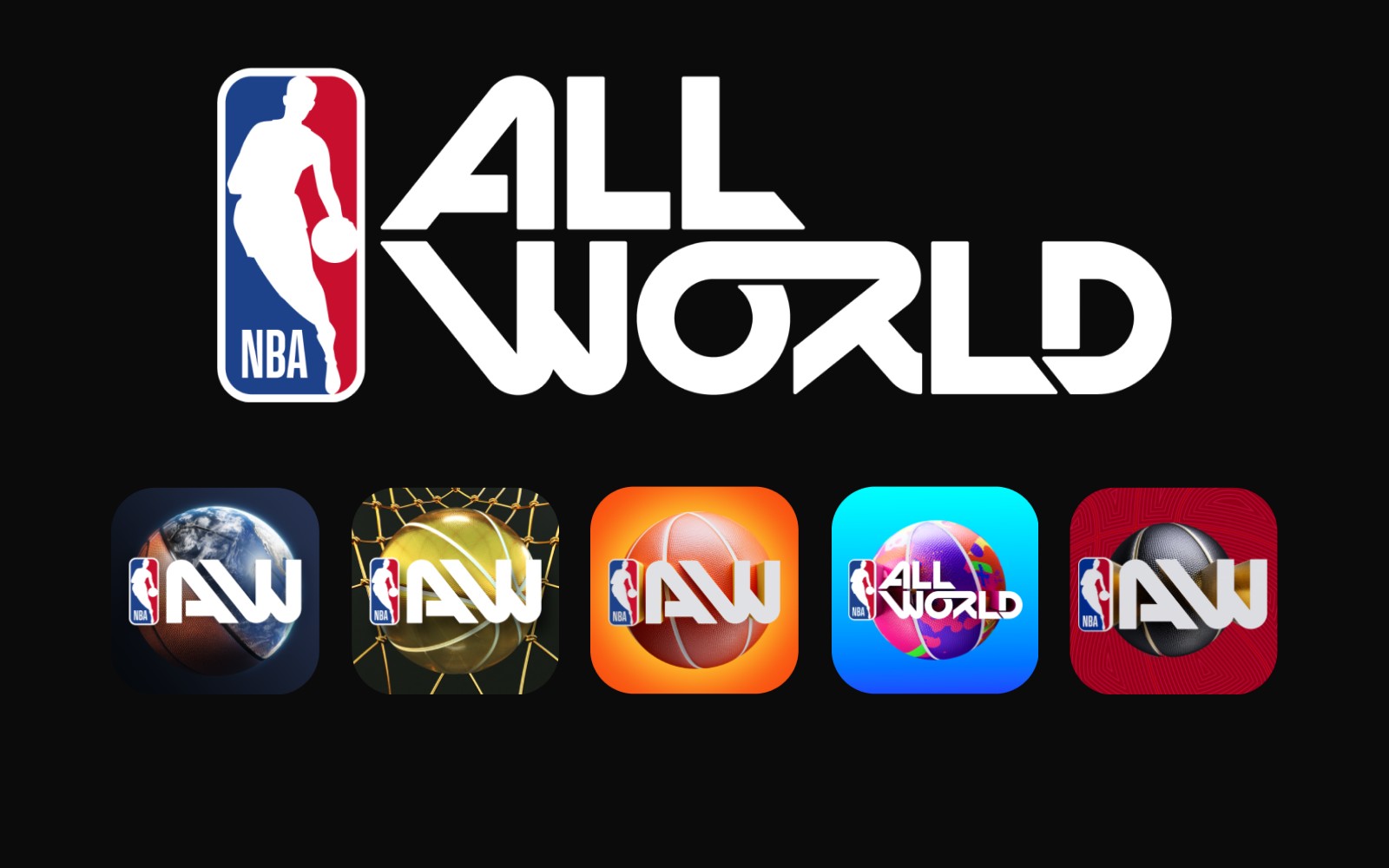
NBA All-World Branding
Logo, app icon, typography, and key art for the launch.
NBA All-World UI
UX documents to finished UI, including the player card system.
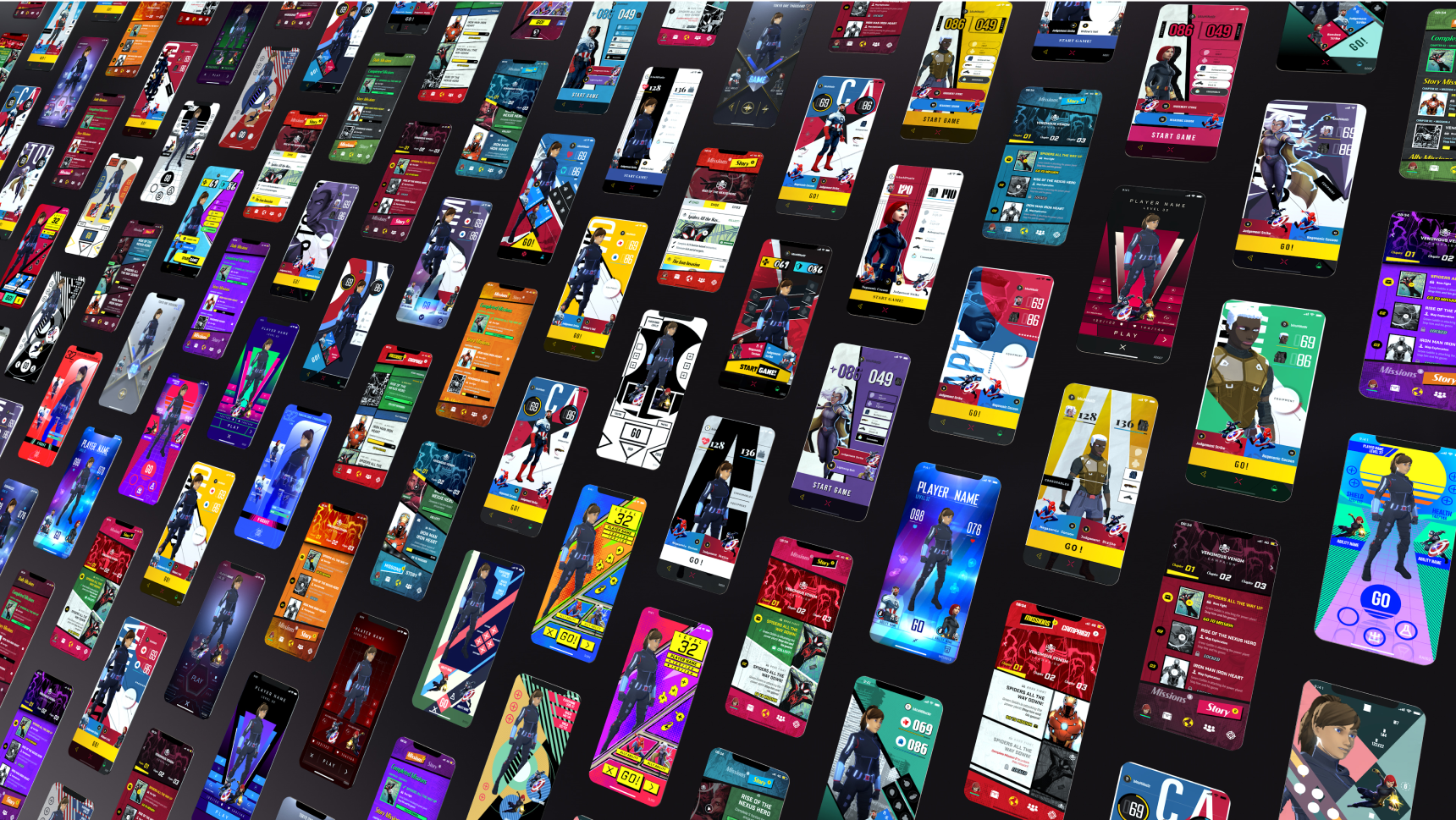
Marvel World of Heroes
15+ visual styles explored for Niantic, then a full UI redesign.
One thread
Mechanics, brand, and marketing from the same brief
Game design at Dreamspace has never been a single discipline. It is mechanics and brand working from the same brief, marketing built to perform at the scale a global launch demands, and interface design tested against real players, not assumptions. That range, informed by two decades with studios like Niantic and IP as recognizable as the NBA and Marvel, lets us move between systems design, visual identity, and user acquisition without losing the thread that connects them.
The result is games that feel considered from the first tap to the thousandth session, and launches built to hold an audience's attention long after the first download.
Build the next game people keep coming back to
Tell us what you are making. We will help you design it, brand it, and launch it.
Start a conversation